

Roofline Services
Overview
-
Sectors Retail
-
Posted Jobs 0
-
Viewed 62
Company Description
Responsible For The Fascia Installation Budget? 10 Very Bad Ways To Invest Your Money
Fascia Installation: A Comprehensive Guide
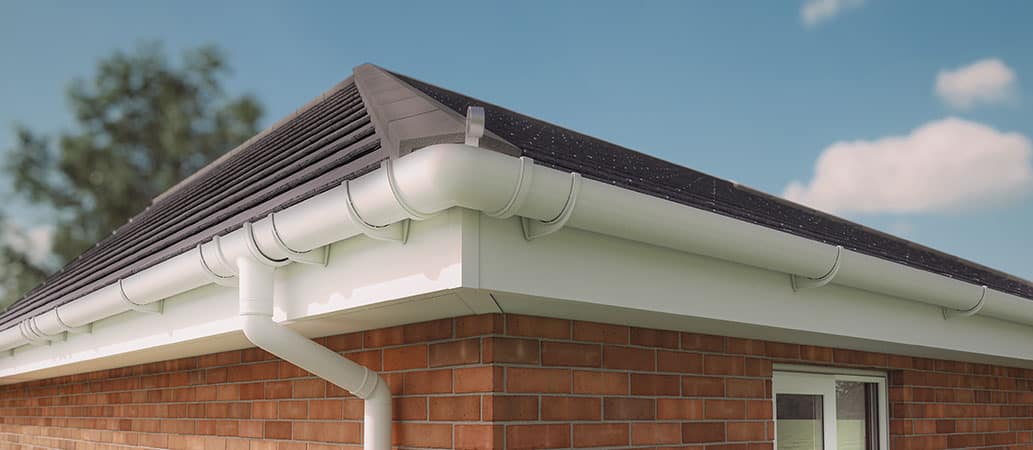
Fascia installation plays a crucial function in both the looks and performance of a building. It refers to the board that runs horizontally along the edges of a roofline, offering a neat surface and helping with the accessory of seamless gutters. The selection of materials, styles, and correct installation strategies can significantly affect the longevity and appearance of a structure. This article offers a thorough appearance at fascia installation, detailing the products usually utilized, a step-by-step installation procedure, potential challenges, and frequently asked questions.
Tabulation
- Comprehending Fascia
- Meaning
- Types of Fascia Materials
- Tools and Materials Needed for Installation
- Step-by-Step Guide to Installing Fascia
- Typical Challenges and How to Overcome Them
- Frequently Asked Questions About Fascia Installation
- Conclusion
1. Comprehending Fascia
Definition
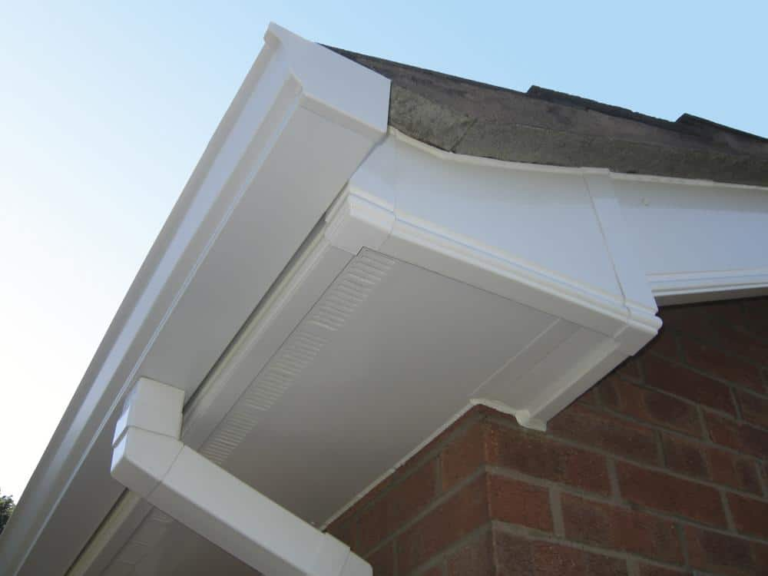
Fascia is the horizontal board that covers completions of roofing rafters. It provides a completed look while also serving several functional purposes, consisting of supporting the roofing system and protecting seamless gutters.
Kinds Of Fascia Materials
Several materials can be utilized for fascia installation, each with its own benefits:
| Material | Advantages | Disadvantages |
|---|---|---|
| Wood | Natural aesthetic appeals, paintable, easy to work with | Prone to rot and pests, RepairMyWindowsAndDoors requires maintenance |
| Vinyl | Low maintenance, resistant to fading and decaying | Can be less long lasting than wood, restricted design options |
| Aluminum | Durable, resistant to rust, low maintenance | Can damage easily, minimal color options |
| Composite | Resistant to rot and pest damage | Greater initial cost, can look less authentic |
| PVC | Really durable, simple to install | More costly than wood or vinyl, not widely available |
2. Tools and Materials Needed for Installation
Before beginning fascia installation, it is vital to collect the necessary tools and materials to guarantee the task goes smoothly. Here’s a list of items you will need:
Tools:
- Tape measure
- Miter saw
- Hammer or nail gun
- Level
- Caulking gun
- Ladder
- Safety goggles
- Drill
Materials:
- Fascia board (material of choice)
- Nails or screws
- Caulk or sealant
- Gutter system (if applicable)
3. Step-by-Step Guide to Installing Fascia
The installation of fascia can be done as a DIY job. Here’s a step-by-step guide on how to effectively install fascia:
Step 1: Preparation
- Examine the Roof: Before beginning, guarantee the roofing system structure is sound. Search for any signs of damage or rot that may need attention.
- Step the Length: Using a tape procedure, determine the overall length required for the fascia boards.
Action 2: Cut the Fascia Boards
- Cut the Boards: Use a miter saw to make cuts at the appropriate lengths. Make angled cuts at corners for a cool finish.
Action 3: Position the Fascia Boards
- Hold the Board in Place: Position the fascia board against the roof edge and use a level to ensure it is directly.
Step 4: Fasten the Boards
- Nailing: Secure the fascia board into location utilizing nails or screws. This includes nailing through the board into the rafter ends. Make sure that the fasteners are spaced approximately 24 inches apart.
Step 5: Seal the Joints
- Apply Caulk: Around the joints, use caulk or sealant to prevent water seepage, ensuring the longevity of the set up fascia.
Step 6: Install Gutters (if relevant)
- Attach Gutters: If you’re also setting up gutters, connect them straight underneath the fascia to make sure proper drain.
Action 7: Final Inspection
- Check Alignment: After installation, do a last check to make sure whatever is aligned properly and securely fastened.
4. Typical Challenges and How to Overcome Them
Installation may not constantly go as prepared, and it’s necessary to be gotten ready for common difficulties:
- Misalignment: If the fascia boards appear unequal, verify the level and compare all measurements before securing.
- Inaccurate Cutting: Always verify measurements before cutting. If cuts are too short, it will need purchasing new products.
- Weather condition Conditions: Plan your installation day thoroughly to prevent rain or high winds, which can jeopardize quality and security.
5. Frequently Asked Questions About Fascia Installation
Q1: How do I know which material to select for fascia?A1: Choosing the ideal material depends upon your budget, environment, and wanted aesthetic. Wood uses a natural appearance, while vinyl and aluminum provide low maintenance. Q2: Can I set up fascia by myself, or do I need professional help?A2: Installing fascia can be carried out as a DIY task if you are comfortable working at heights and using tools. Nevertheless, working with a professional is suggested for intricate architectures. Q3: How frequently should fascia be replaced?A3: The lifespan of fascia boards can vary. Wooden fascia may need replacement
every 10-20 years, while vinyl and aluminum can
last for decades if maintained appropriately. Q4: Do I need authorizations to install fascia?A4: Check with your regional structure department. Numerous locations do not require authorizations for fascia installation, however it’s vital to verify. Q5: What
maintenance is needed for fascia?A5: Regular assessments for rot or wear and tear, particularly in wood, and cleaning or repainting as needed. 6.
Conclusion Fascia installation might appear challenging,
however with careful preparation and understanding of materials and strategies, it can be a gratifying DIY project or an uncomplicated job for experts. Proper installation not just improves the aesthetic appeal of your home however also ensures structural stability, especially relating to water management through gutters. When handling your fascia installation task, keep in mind to stick to security protocols and, when in doubt, seek advice from or employ a professional to guarantee the best possible result.