

Mission Agroenergy Ltd
Overview
-
Sectors Telco
-
Posted Jobs 0
-
Viewed 83
Company Description
Airlines Concentrate On Biofuel Trials Gather Momentum
It’s bad enough for some prop airplanes to be explained as being powered by rubber bands. Now the cynics could begin having a dig at industrial airplane flying on whatever from cooking oil to liquefied algae.
With the civil aviation industry under increasing pressure from increasing oil rates and ecological legislation, the race is on to discover viable options to traditional kerosene and these up until now appear to come down to numerous kinds of biofuel.
Not surprisingly, the first trials of alternative fuel were initiated by British aviation pioneer, Sir Richard Branson, whose Virgin Atlantic began London to Amsterdam flights with restricted biofuel usage in 2008. This was quickly followed by Lufthansa and Air New Zealand who each utilized various blends of regular fuel and bio derivatives consisting of some from made from jatropha curcas which can grow in soil considered too bad for growing mainstream foods.
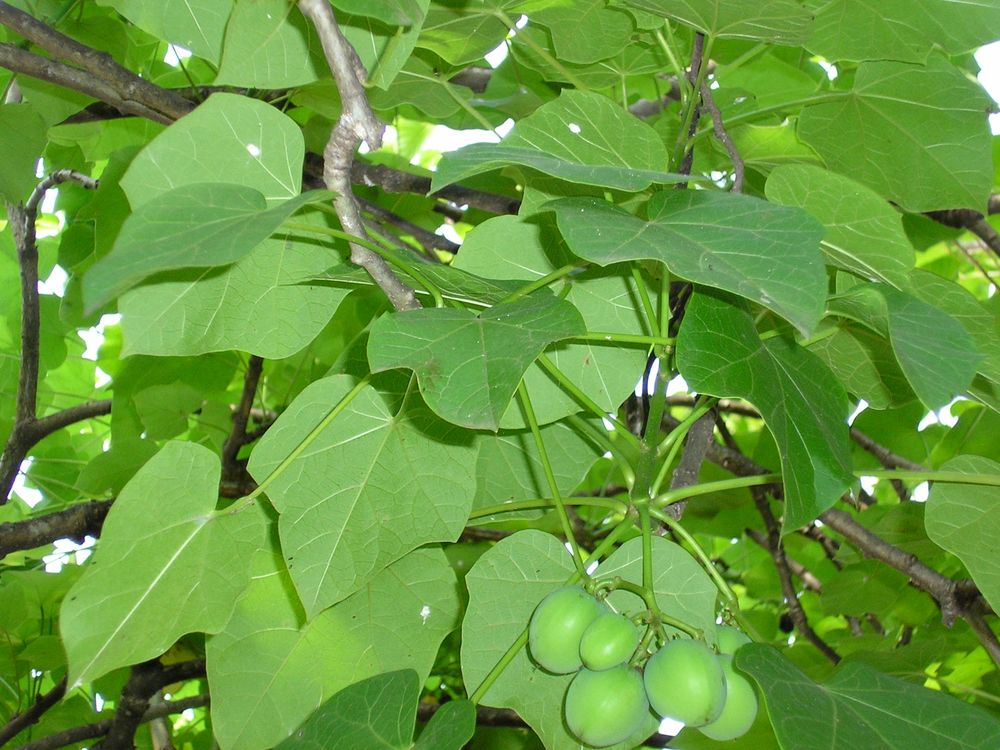
Jatropha is a genus of approximately 175 succulent plants, shrubs and trees (some are deciduous, like Jatropha curcas), from the family Euphorbiaceae.
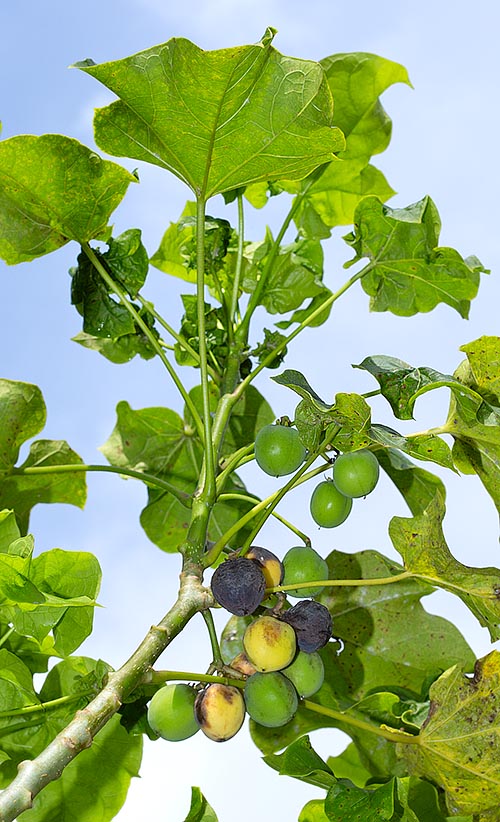
In 2007 Goldman Sachs pointed out Jatropha curcas as one of the best candidates for future biodiesel production. It is resistant to dry spell and pests, and produces seeds consisting of 27-40% oil.
Recently, US aerospace giant Boeing, Brazilian aeronautical major Embraer and the Sao Paulo state Research Support Foundation transferred to perform research and development into using biofuels to power jet airliners. It was reported that Brazilian airline companies Azul, Gol, TAM and Trip would serve as strategic experts for the project.
The most recent airline to begin try out brand-new fuels is the Alaska Air Group which has actually conducted internal US flights using a mix of 80 % petroleum based fuel and 20% biofuel made from cooking oil. This mix, it is declared, can cut damaging emissions by 10%.
One actually motivating development has been the relocation away from biofuels which compete head on with food customers thereby preventing a cost spiral. Not so long ago, a rise in usage of biofuels in cars and trucks caused a spike in maize rates as US farmers corn to fuel processing.
Hopefully in the future, airline companies and drivers will focus biofuel consumption on non-food sources such as jatropha and algae. It would be a combined true blessing certainly if some individuals wound up starving simply to please someone else’s green credentials.